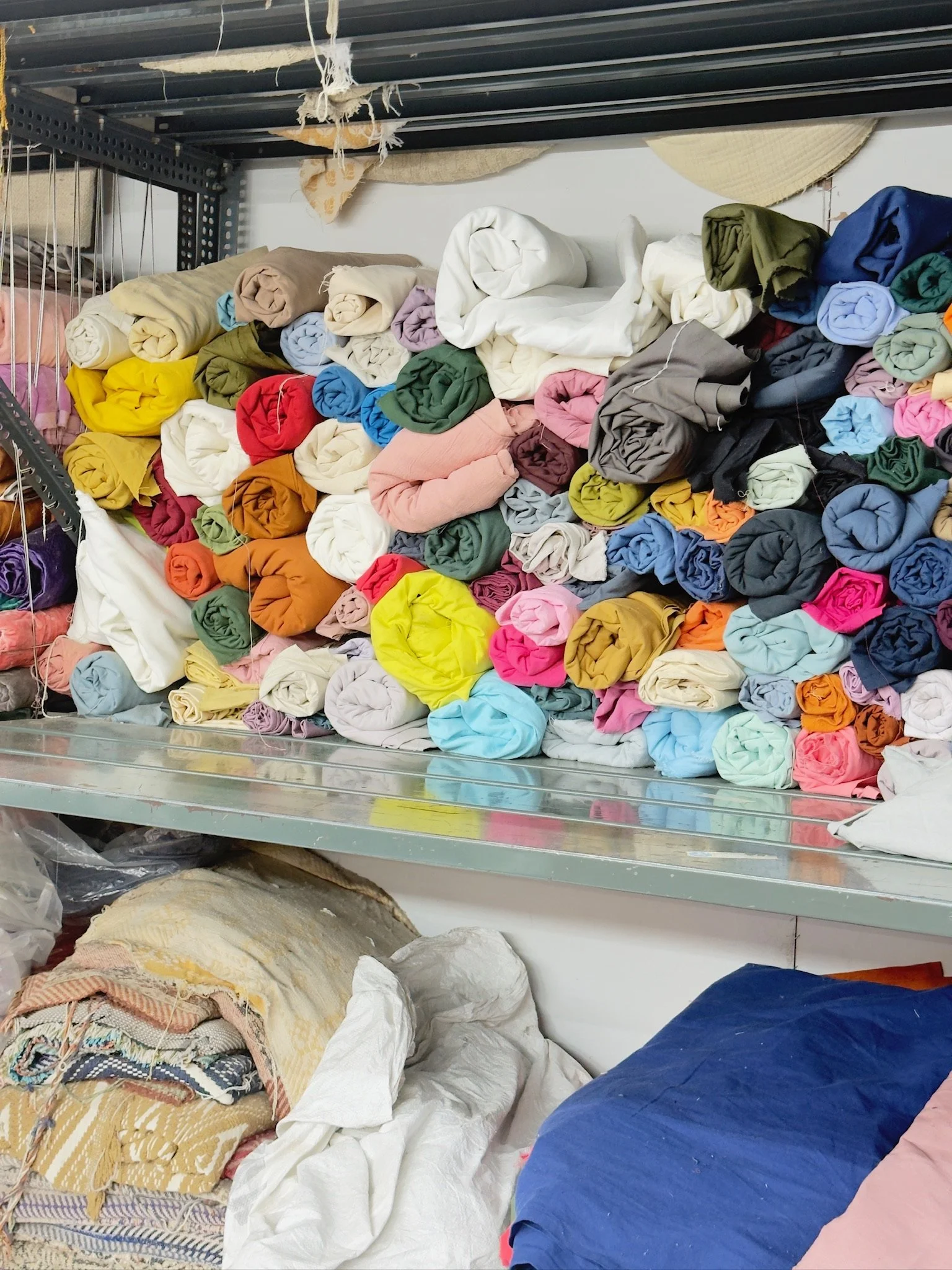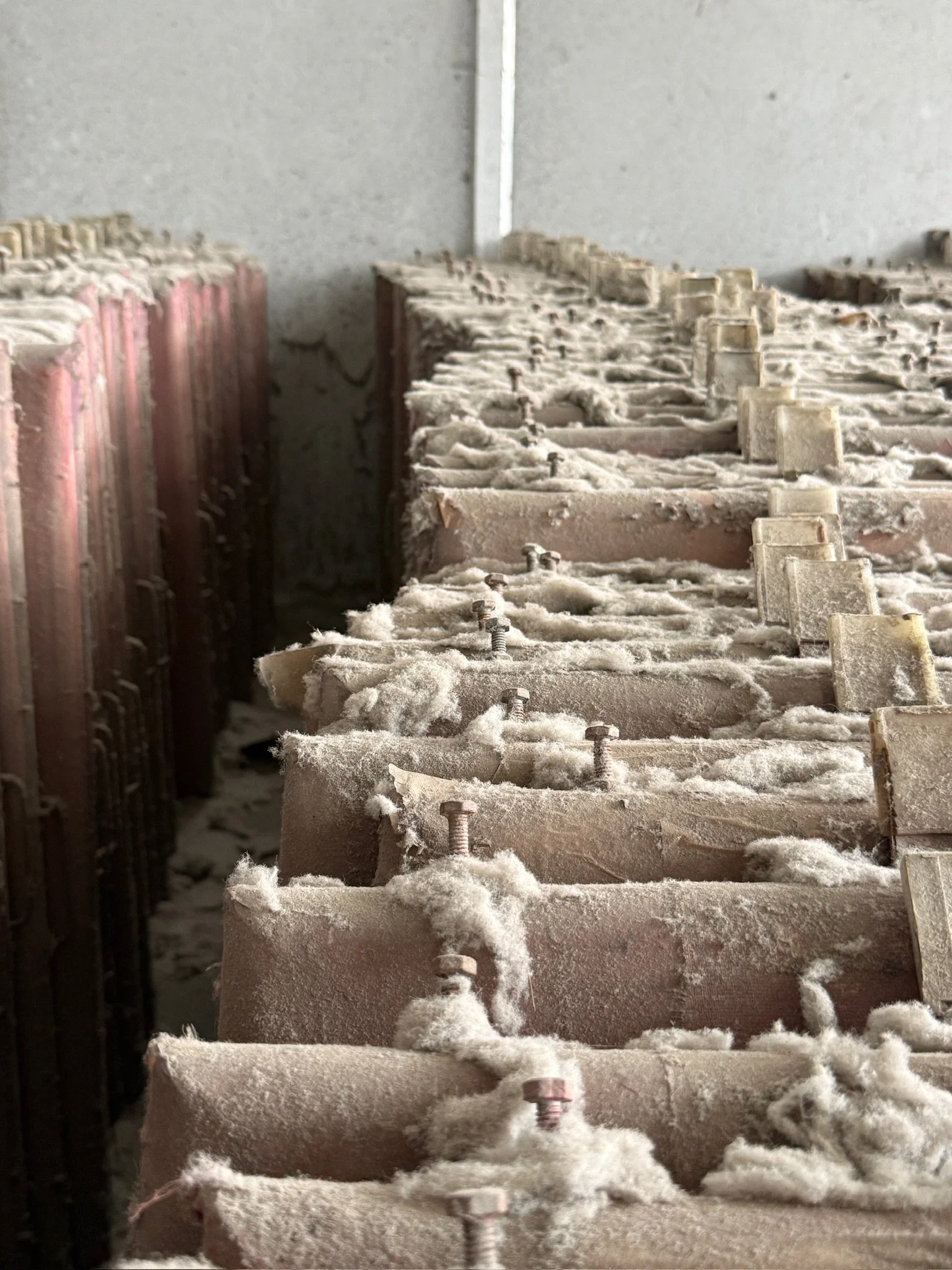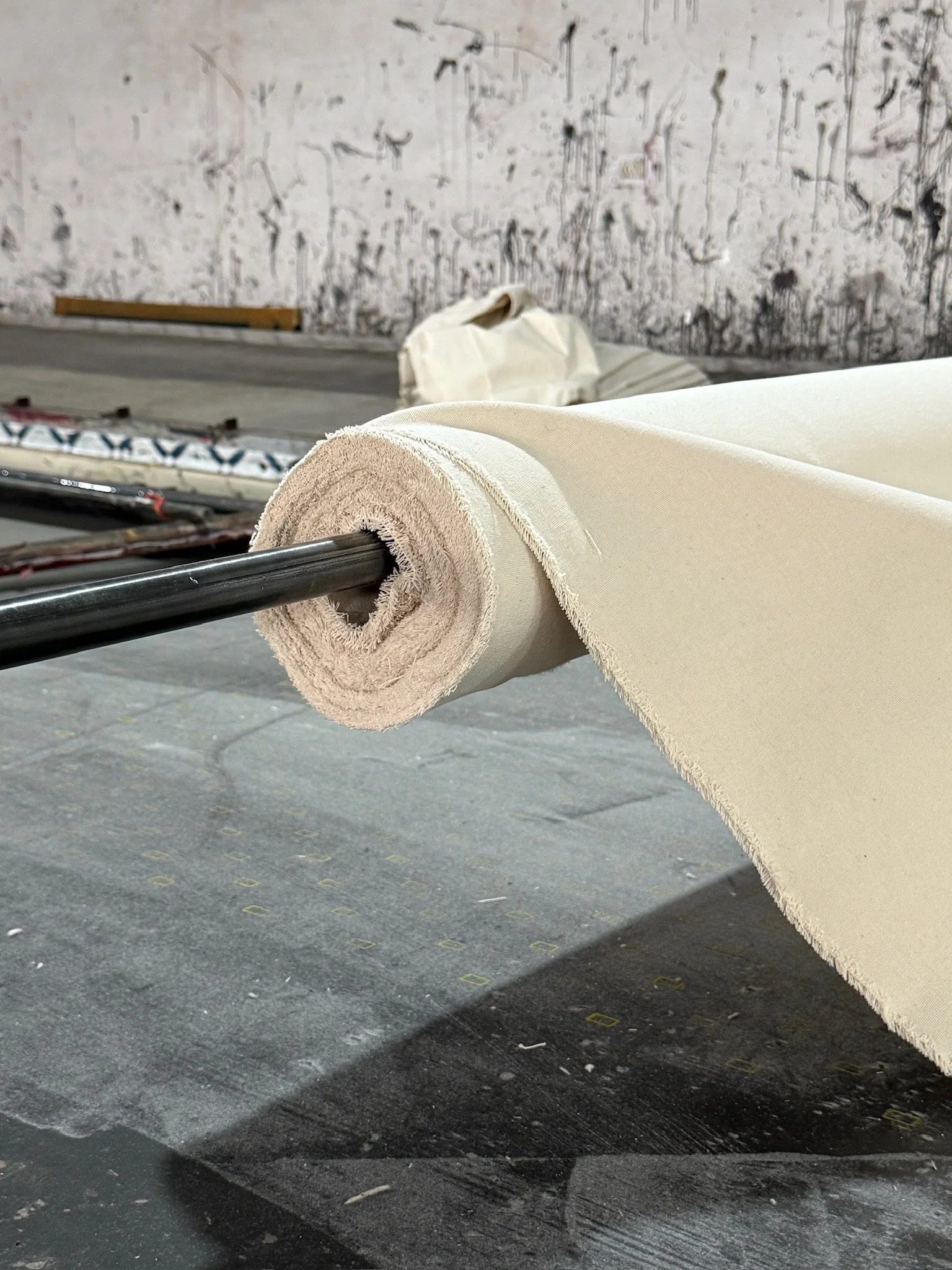

What began as a passion project has evolved into something more! We’re proud of where we’ve been and even more excited for what’s ahead.

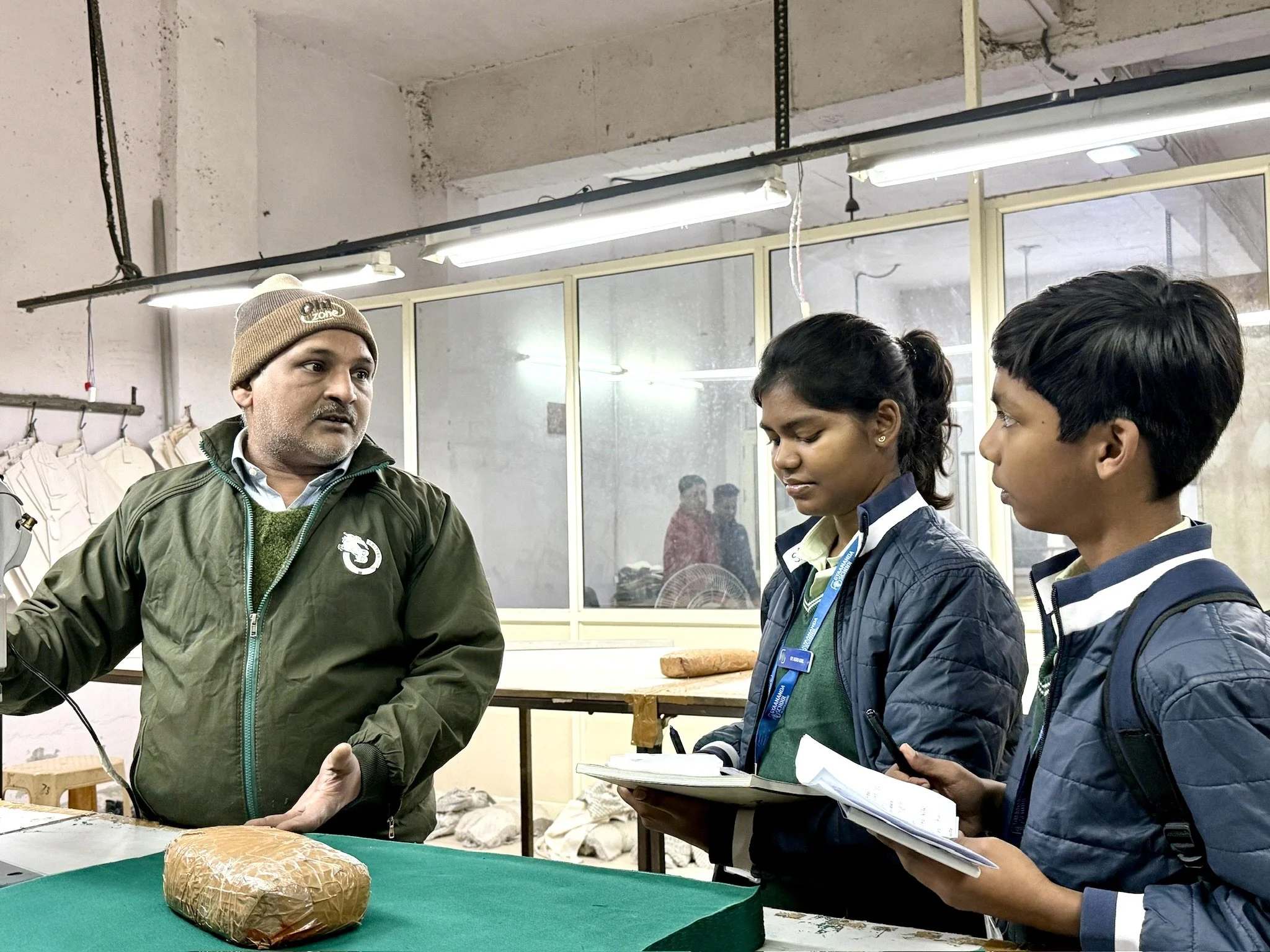
Recycling textile does not only weaves new threads but gives a new meaning to luxury…
Panipat is a small district in the North Indian state of Haryana, which is situated in the Indo-Gangeticplain along the Yamuna River. It is also connected to the NH 44, which helps it connect to the major logistics trade in India. It is not just locally famous; the Government of India has recognized it as the "Town of Export Excellence"under India's foreign trade policy. Historically known as the city of weavers, it has come to be one of the major recycling hubs in Asia, which is known to handle an estimated 60% of the recycled textile of India.
The major importers of Panipat’s sustainable textile industry are the United States and European Union,which provide massive amounts of worn-out clothing to Panipat. Panipat shipments are famous worldwide; the exports of the recycled clothes include the USA (which accounts for roughly 60% of Panipat's exports), the UK, France, Spain, Australia, Saudi Arabia, Israel, and the UAE.
Recycled materials from Panipat gets shipped across all over India and have secured their place in retail giants like KayGee Industries,IKEA,Walmartandeach and every e-commerce platforms like Amazon, Flipkart.
A massive, overlooked buyer of these recycled products is the international aid organizations. Local manufacturing units produce cheap blankets for the Middle East and Africa during global crises,and they also cater to the needs of "UNHCR Fleece Blankets," "IFRC Blankets" (International Federation of Red Cross), and specific "Red Cross Blankets," with their logos tagged on them.
There's been fluctuations in the financial breakouts of sustainable textile industry where they estimate that shoddy yarn and wool alone generate hundreds of millions of dollars. Much of the ₹20,000 crore export market is driven heavily by recycled goods (like rugs, throws, and mats) being bought by giants like Kay Jee Industries, Walmart and IKEA.
The workers who unload, sort, shred, and spin the discarded garments are estimated to be between 200,000 to 300,000 people.In this industry, about 2,000 registered units (mostly MSMEs) handle the actual grinding and shredding of old clothes.
Panipat processes roughly 500,000 to 1 million tonnes of discarded global textiles every single year. This volume is what makes it the "Asia's largest hub for textile recycling".

About Our Project: