
History
GENERAL HISTORY
Panipat is known as the City of Weavers because of its long held tradition of handlooms. The threads don’t just weave clothes, but they weave the destinies of millions of people. It is a city filled with culture, tradition and business that connects people together. Together, so many hands join to weave pieces that make their way from Panipat to Tokyo to Toronto. This is why Panipat is called the city of weavers.
MUGHAL TRADE & PERSIAN CARPET LEGACY
Panipat's link with textiles stretches back to the Mughal Empire, when the area was known for its high-quality fabrics and handcrafted carpets. Owing to its strategic location on the very popular trading route to Afghanistan and its close proximity to Delhi, Panipat was a very popular hub for Galichas (carpets) in Persian style.
GENERATIONS OF CRAFT & THE PARTITION
The weaving methods were passed down through generations, and local artists developed a reputation for creating exquisite patterns. During the partition b/w India & Pakistanin 1947, professional weavers from Sindh, Jhang, and Multan (now in Pakistan) came to India, where they set up their looms and continued to carry the work of their ancestors.
1980s RECYCLING RISE
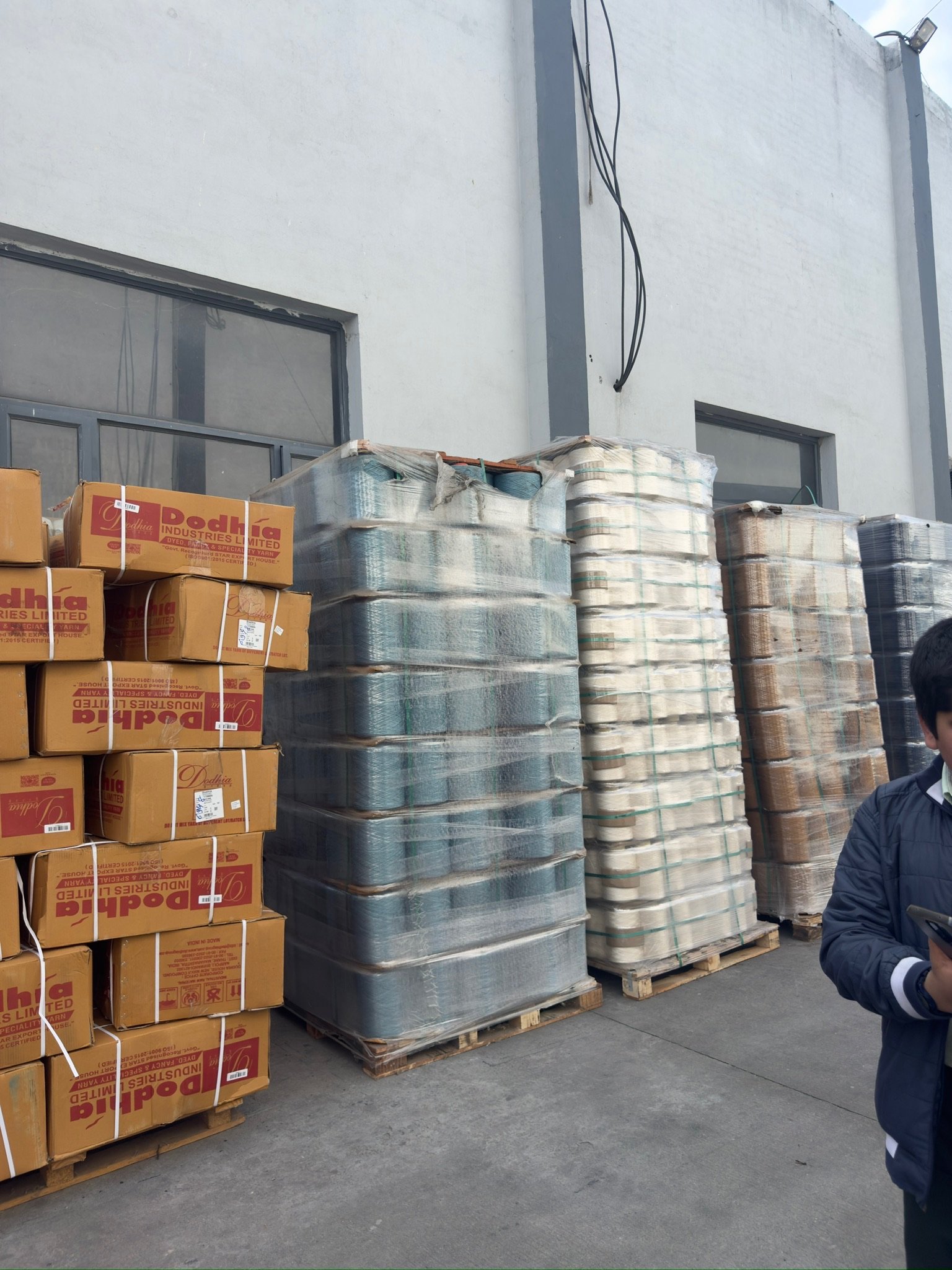
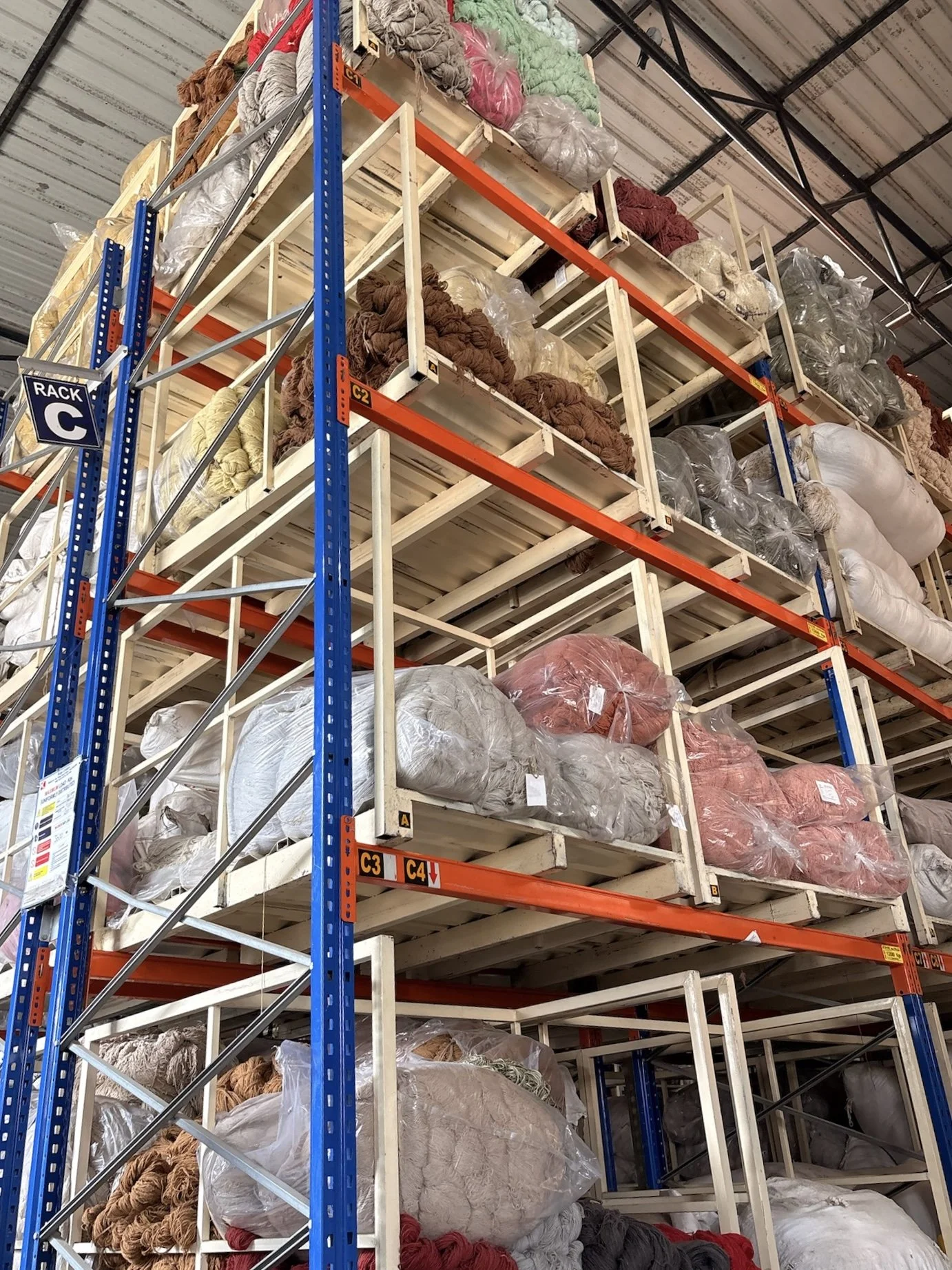
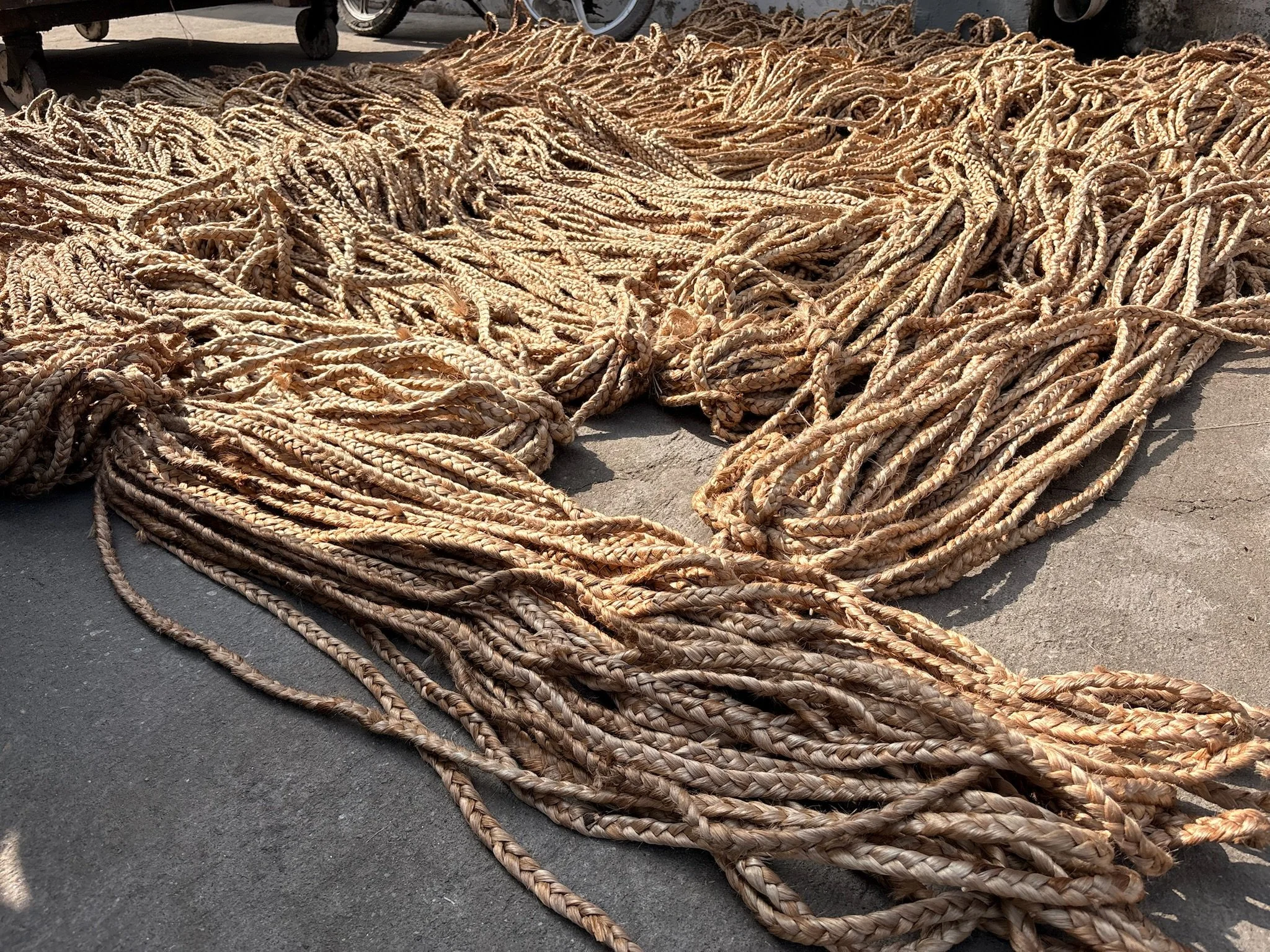
The recycling industry in Panipat took shape during 1980’s when import of virgin wool became unaffordable. It also coincided with industrial slowdown during 1990’s in Prato, a small town in Italy with 1000 year old textiles tradition. Panipat mill owners then bought these machineries that could make cheap shoddy yarn from recycled wool.
FROM SHREDDED CLOTH TO GLOBAL COMFORT
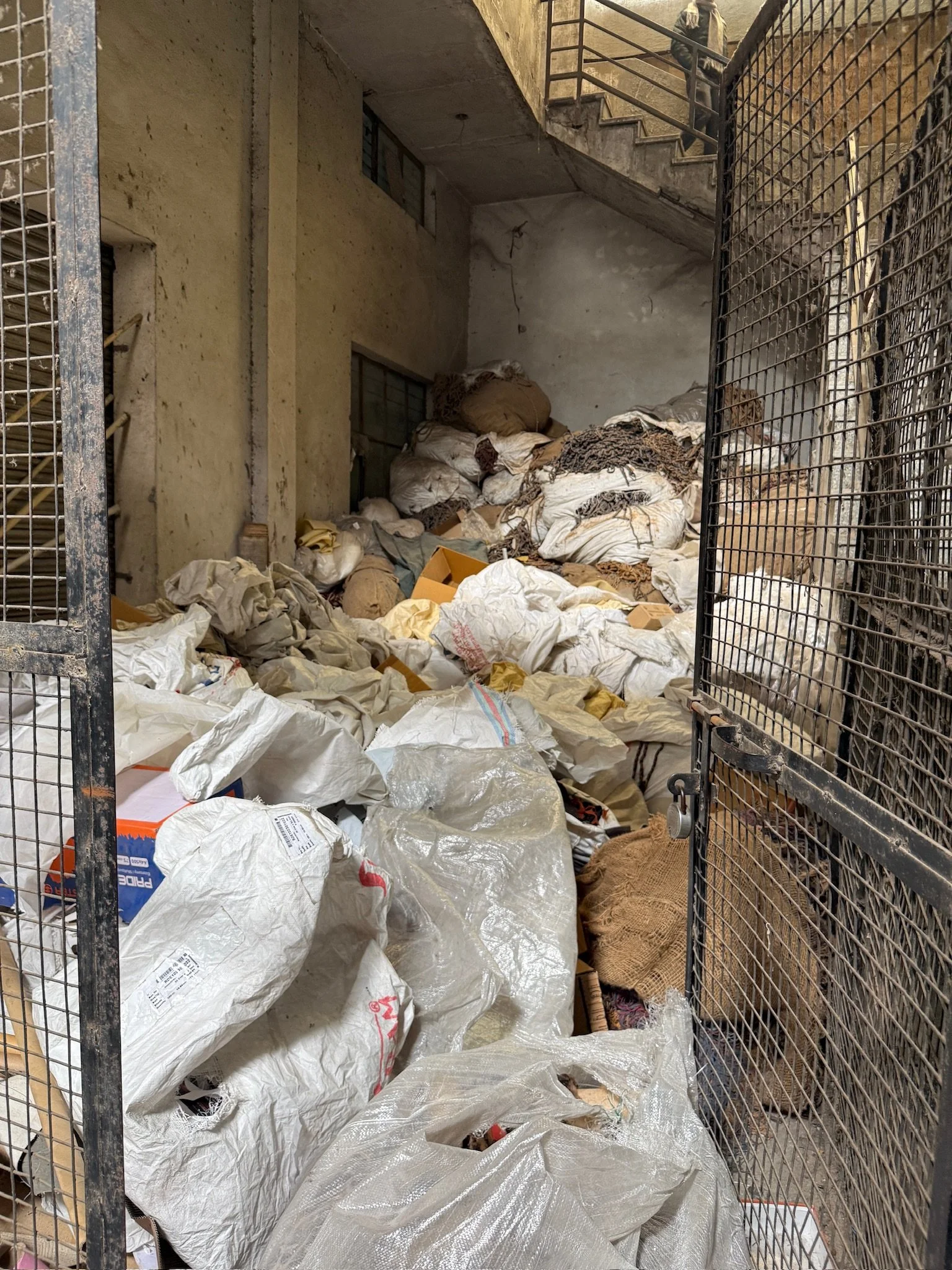
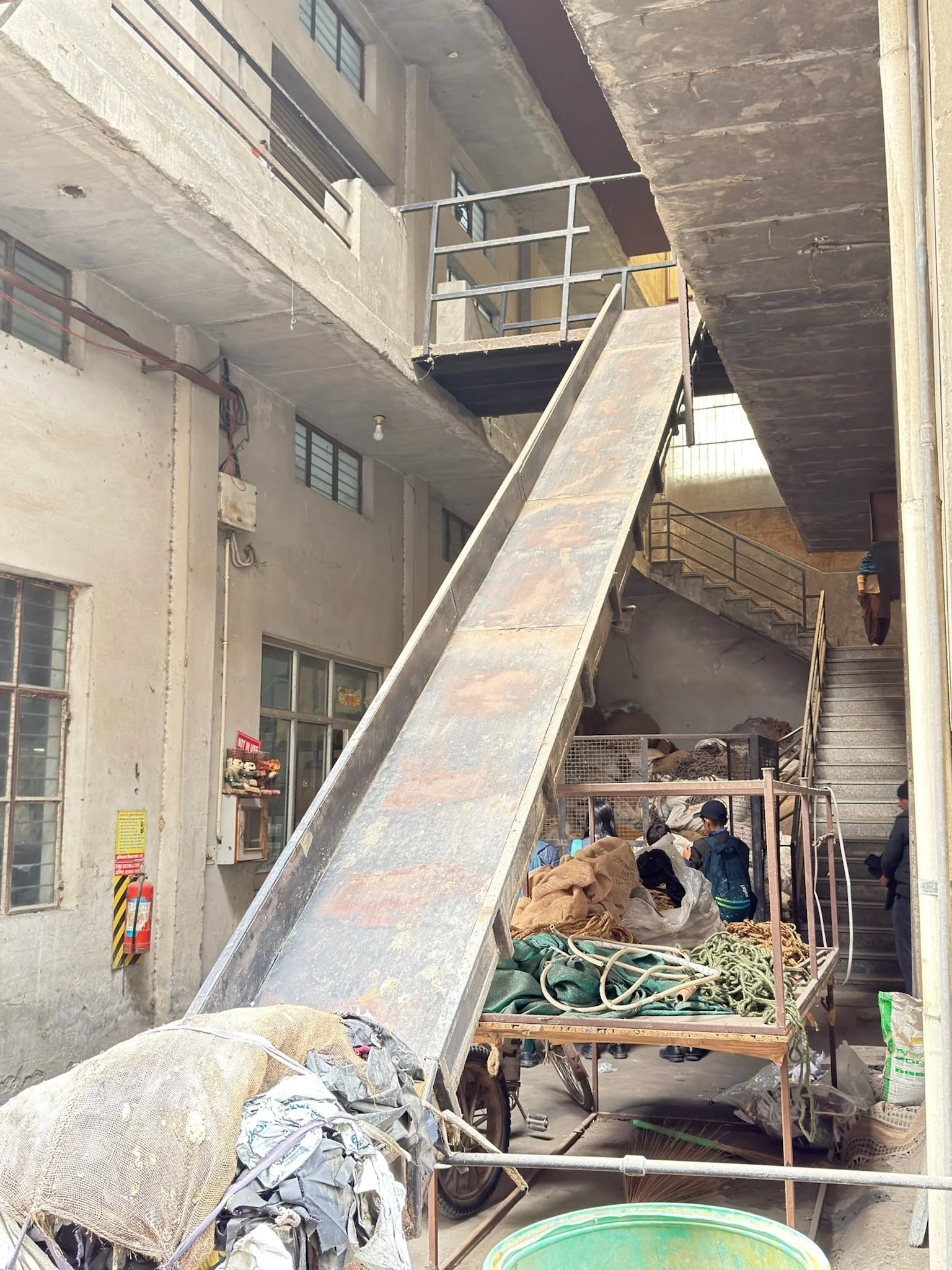
After import, the garments once sorted, are shredded and pulped to make a range of products from doormats to blankets and bed linen. The usable garments, recycled woolen and acrylic yarn blankets are sent to USA, UK, Canada, Japan, Germany etc
GLOBAL MARKETS FOR RECYCLED GOODS
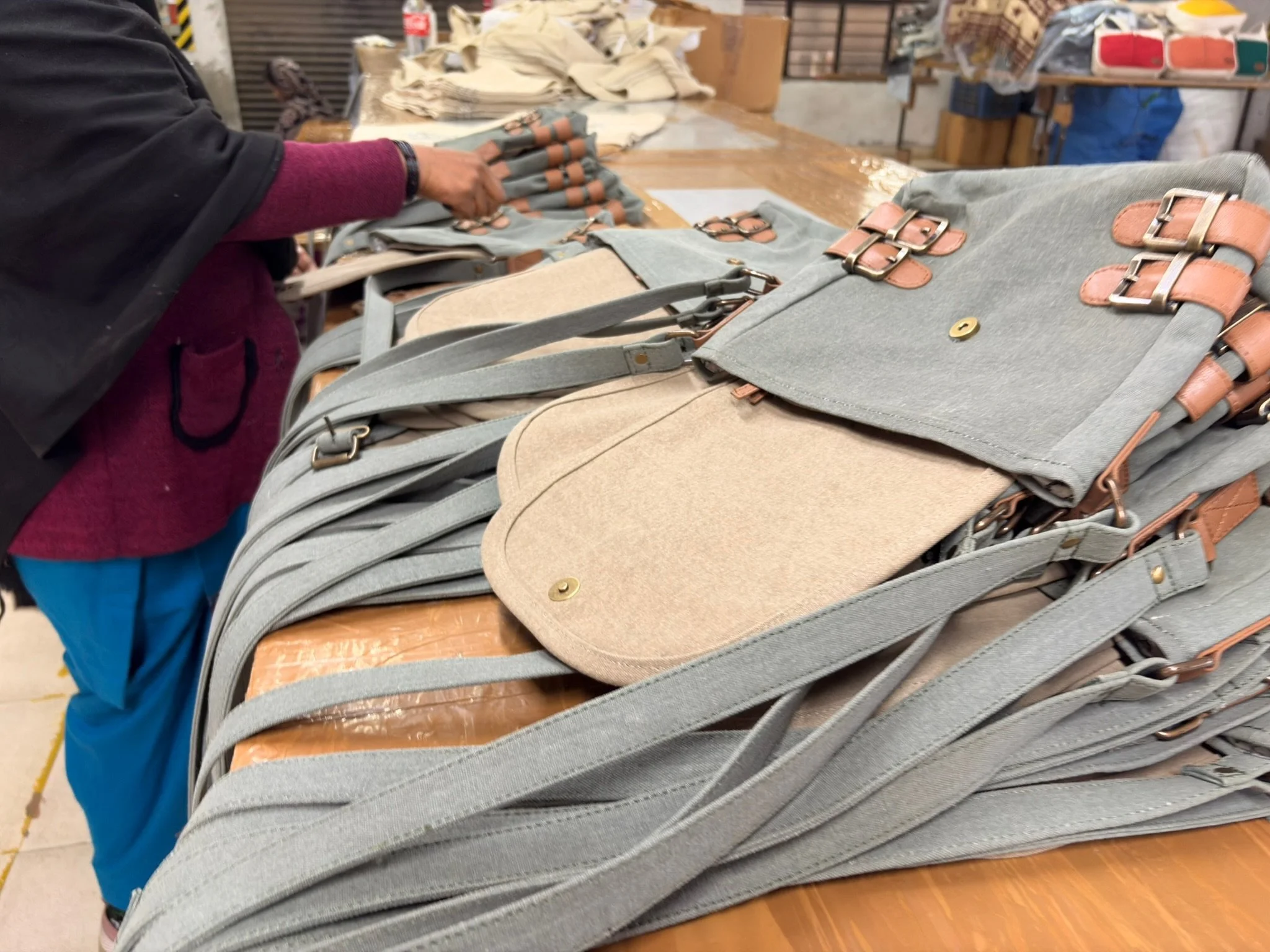
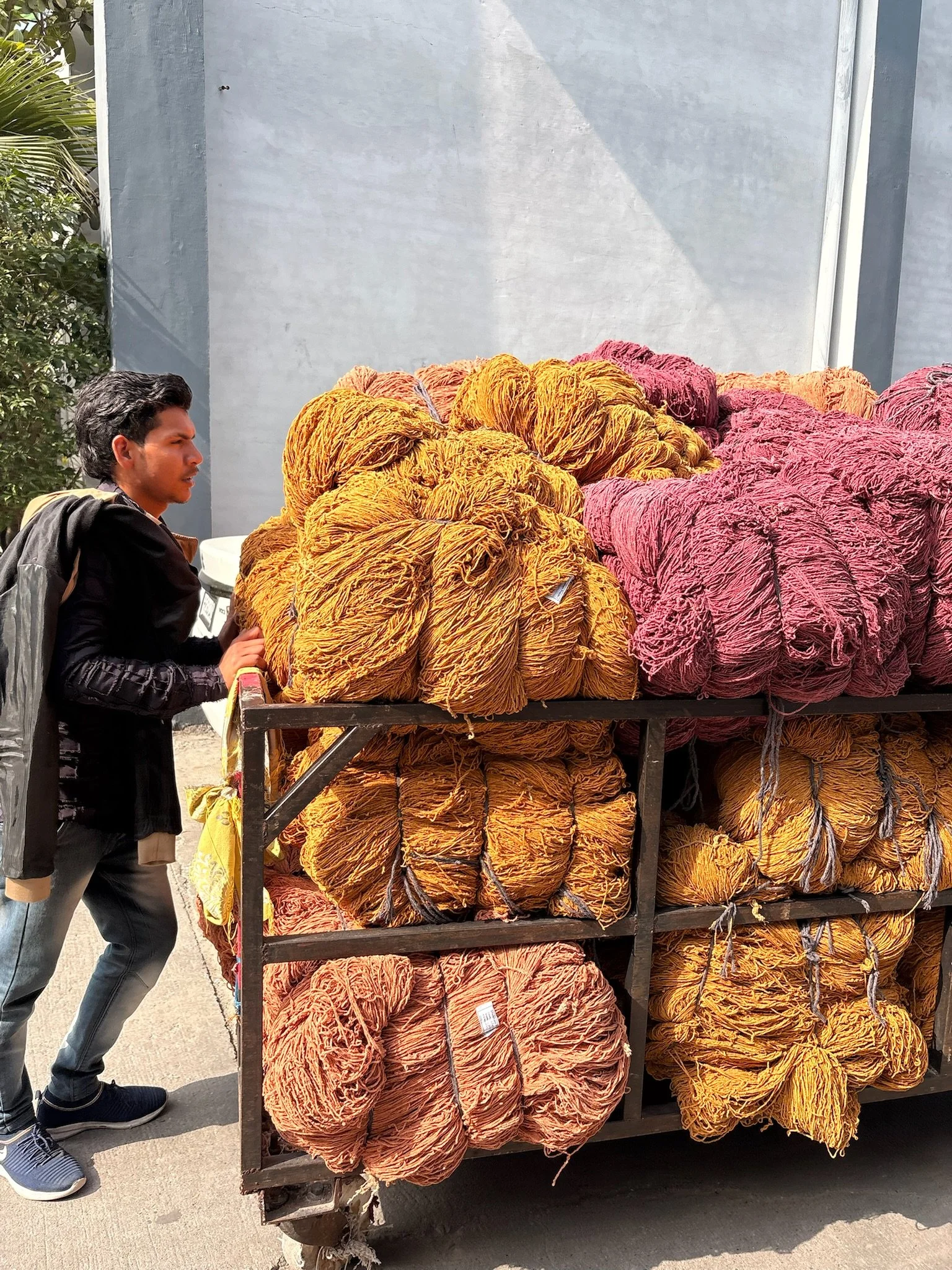
These shoddy wool blankets are sold mostly to institutions like railways, army and disaster relief operations. Recycled doormats and floor mats are shipped back to USA and UK where they have a huge market. The leftover cut outs are sold as industrial wipes, mostly going to Australia and Japan.
2015: THE USED TEXTILE TURNING POINT
In 2015, India emerged as the world’s largest importer of worn clothing and used textiles. US, UK and Germany were the top 3 importers. The emergence of used clothes processing market in India was largely originally seen as serving for charity, especially in Africa.