

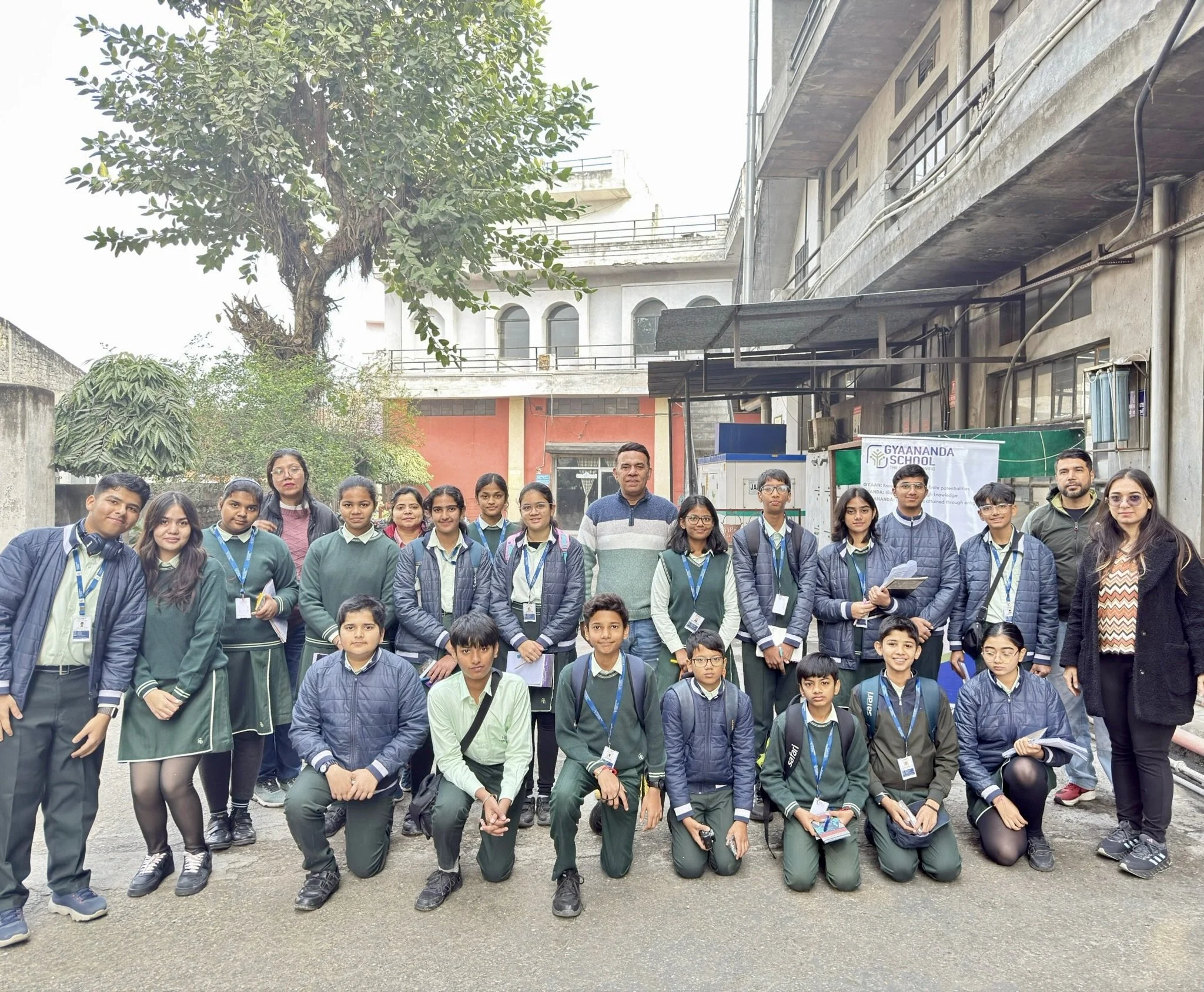
Mona B
For our field visit, the Tana Bana team explored a sustainable textile industry which highlights the very meaning of the project. Mona B is set on providing that modern, highly customized fashion which does not compromise our ecosystem.
Interview with the CEO
Our team got the opportunity to talk with the CEO of Mona B about the processes involved in production in his factory. We also got insights on various other pressing questions on sustainable production.
Mona B serves as an incredible example of an industry reducing nature’s burden.
-
We observed how Mona B ensured in producing materials with zero waste at every department of their production. Every single creation is fabricated in order to reduce the harmful impact on the environment.
-
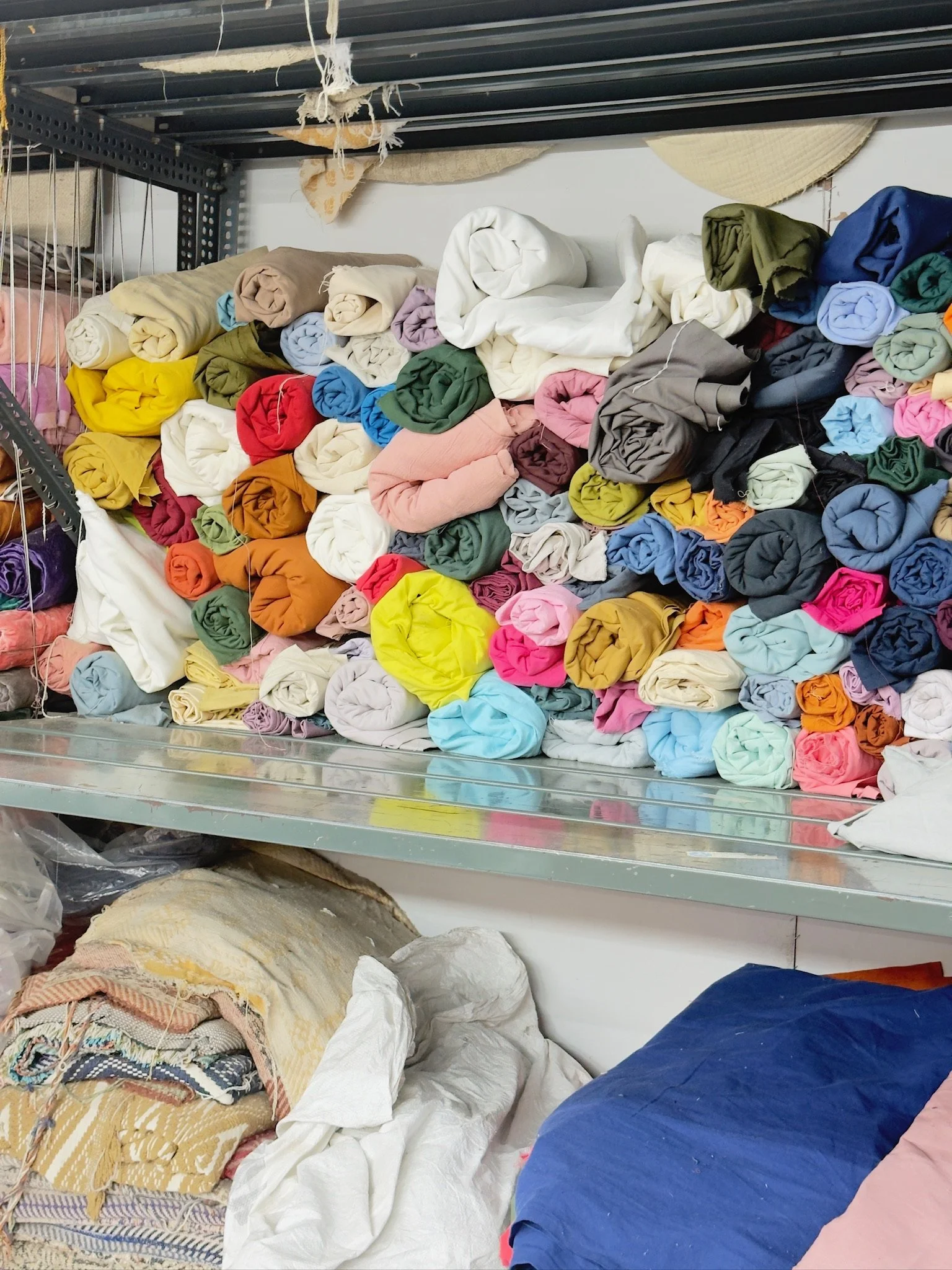
First the waste clothes are sorted based on color by the workers so they don’t need to be re-dyed, which saves millions of liters of water and prevents it’s contamination.
-
The clothes cannot directly be thrown into a shredder, they need sorting out. Materials like zips, sequins, buttons, metals, clasps and tags are removed before shredding. Only the fabric is put into the shredder.
-
The clothes are put into massive rag-tearing machines where fast spinning cylinders and sharp pins tear and slash the cloth until it becomes the fluff fabric again.
-
The recycled yarn is too weak to be spun, hence, a virgin fibre such as polyester is added to give it strength, which is mixed in the carding machine to blend it completely with the recycled fiber. By continuous spinning, it becomes thick and strong shoddy yarn.
This process also makes use of the vegan dyes if they really need to add color to the product which helps them in reaching the goal of zero carbon emission.
From Thread to Trash
They connect directly to SDG 8 by promoting ethical working conditions, practicing fair business trade and maintaining labor welfare policies for their artisans.
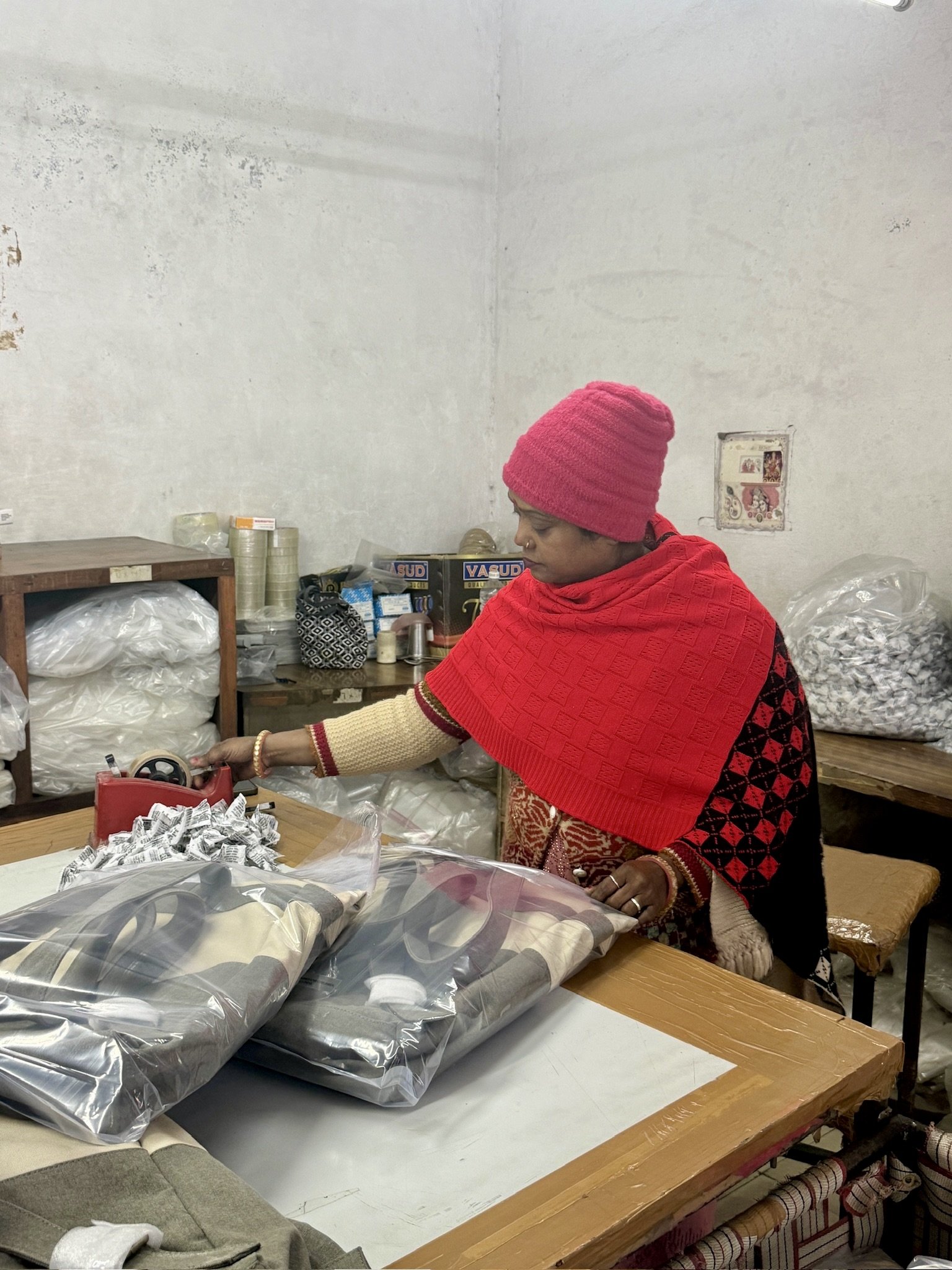
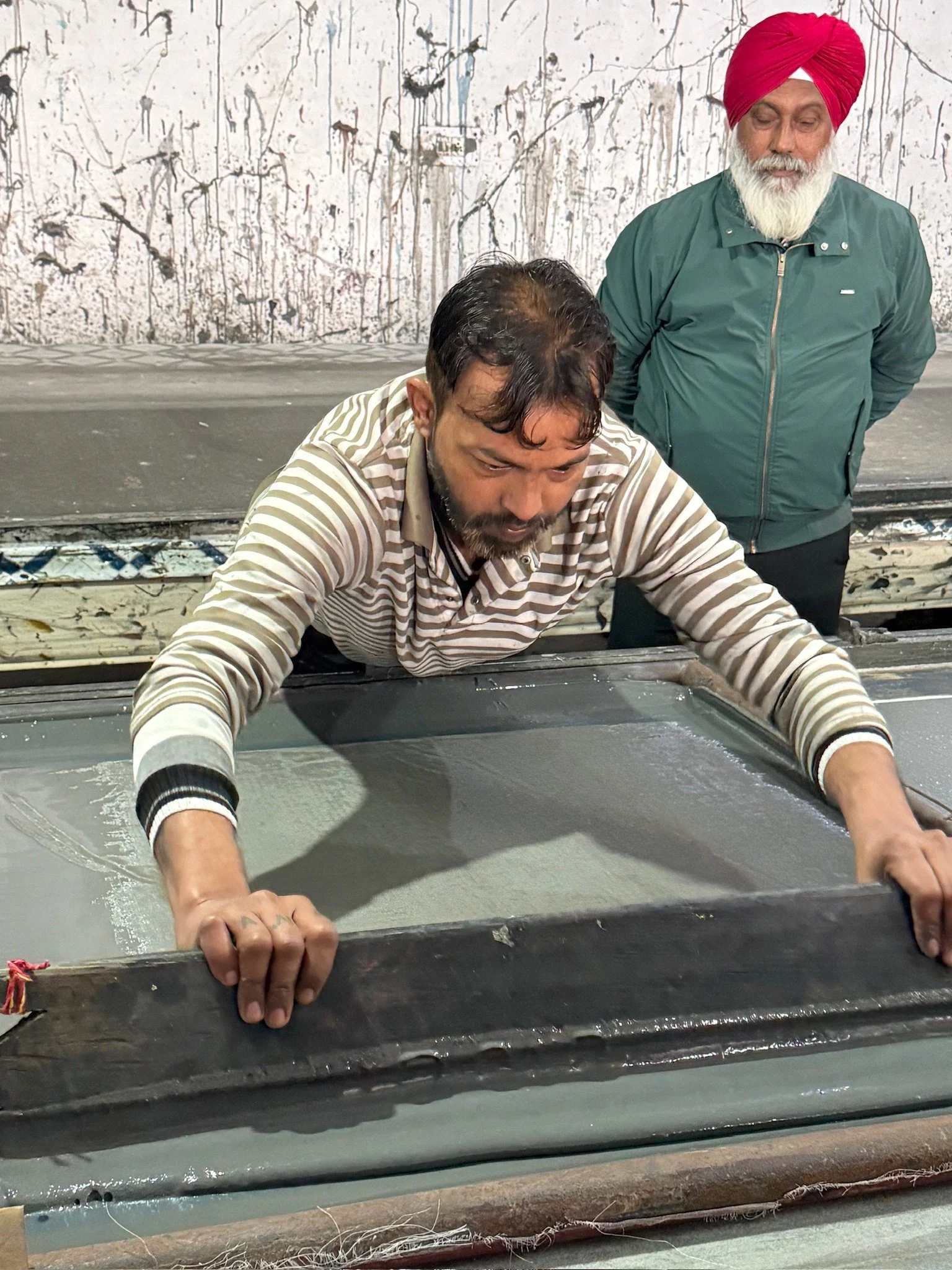
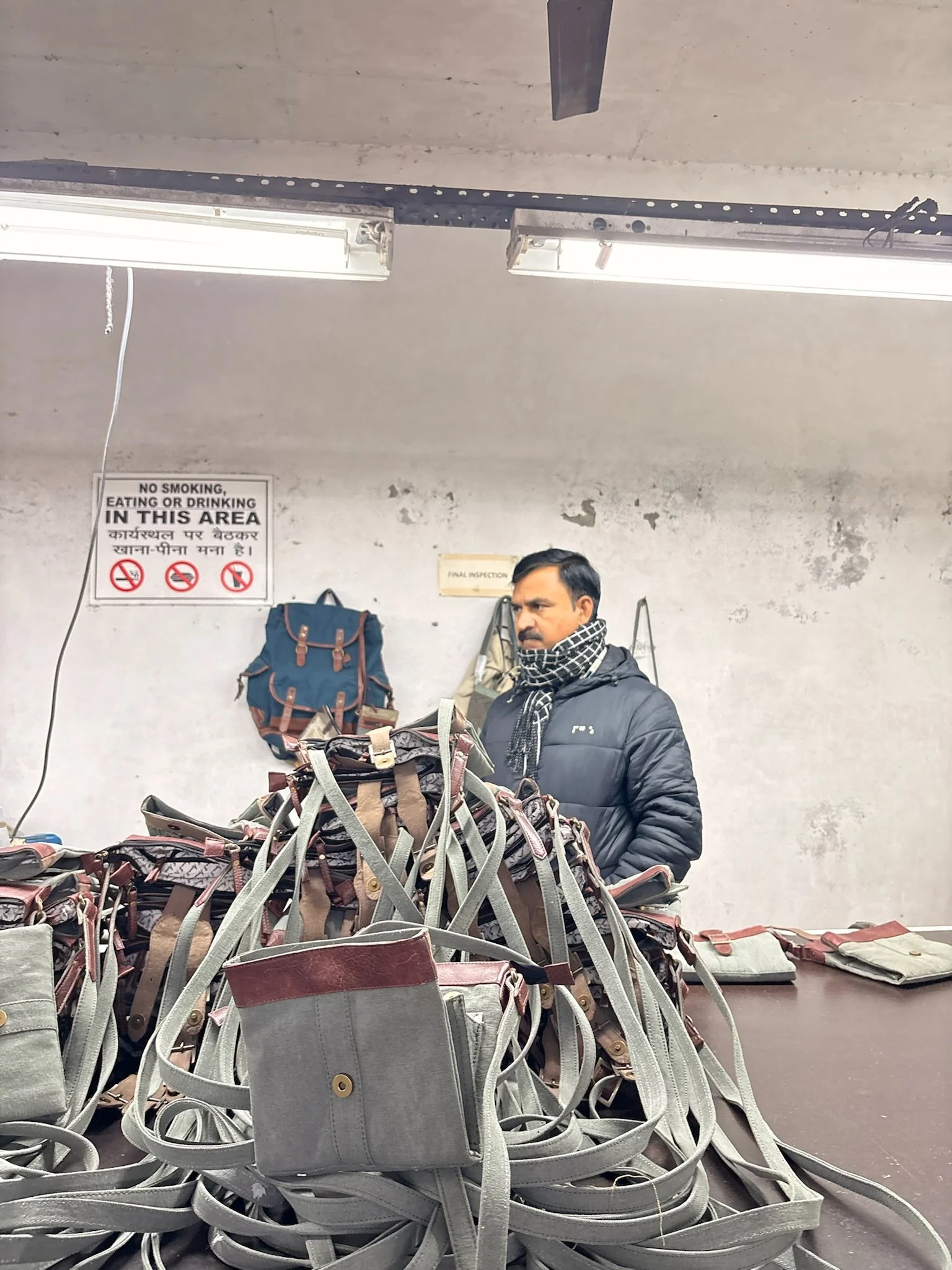
We learned about the process of making bags from scratch -from the designing department to the finishing department
-during our field visit. We talked to the artisans about their work and saw the recycled yarn turn into a finished product, where every department's waste further processed into new yarn.