

SDG11
Sustainable Cities & Communities
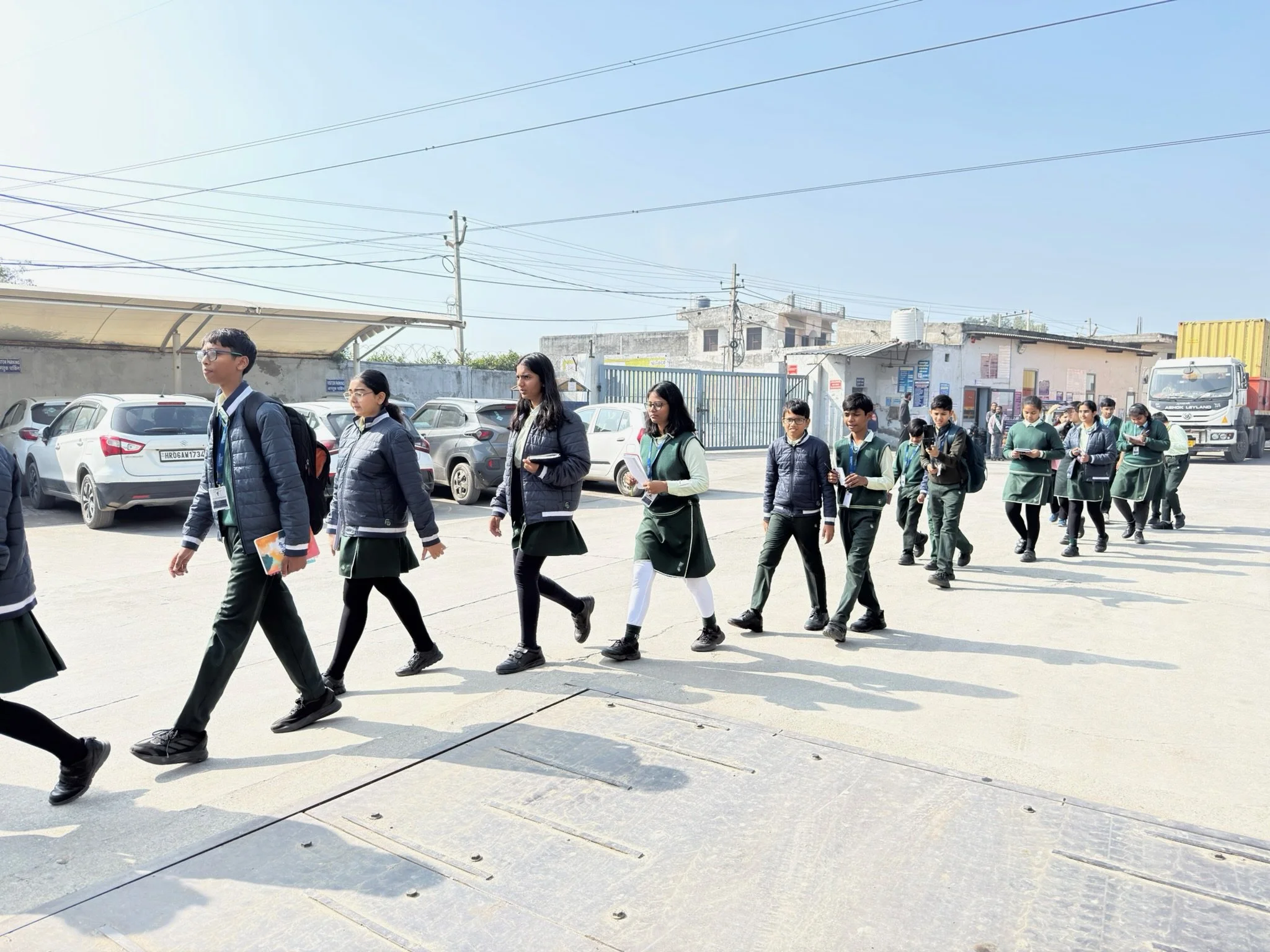
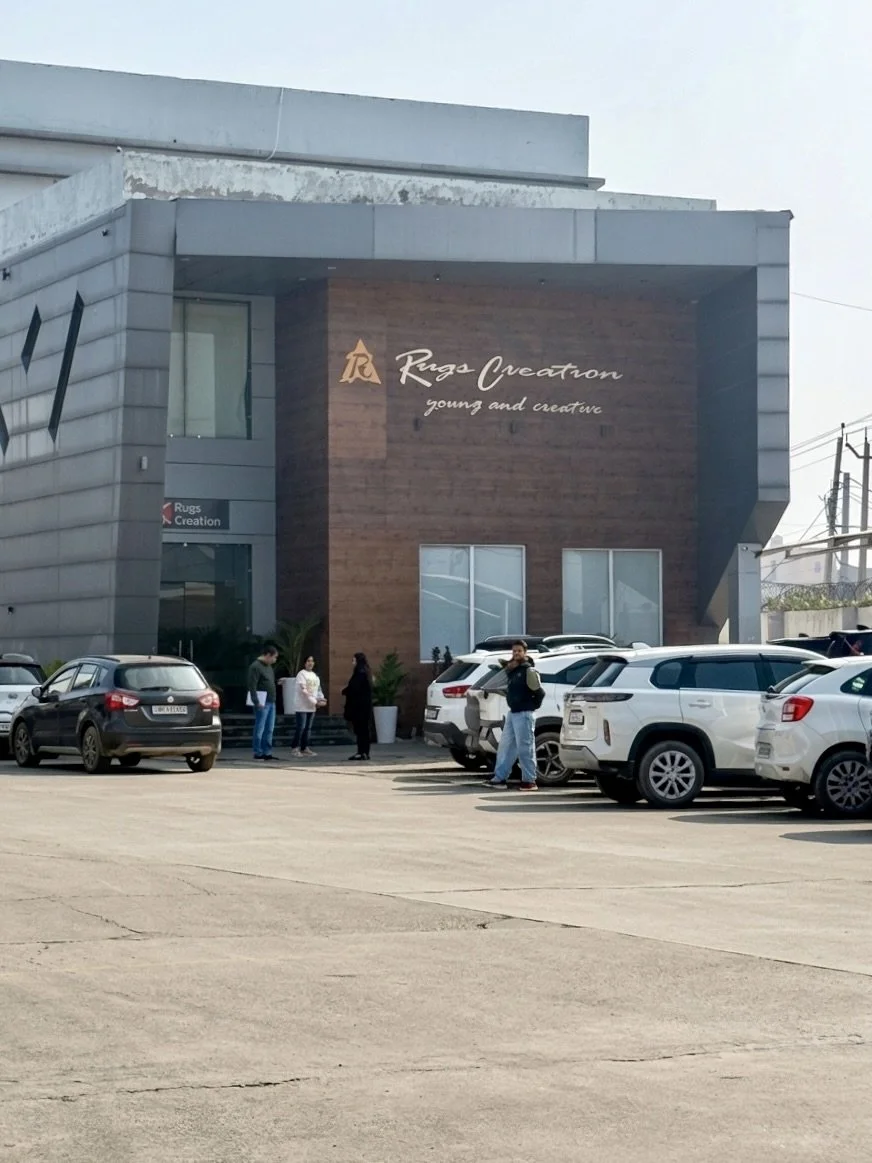
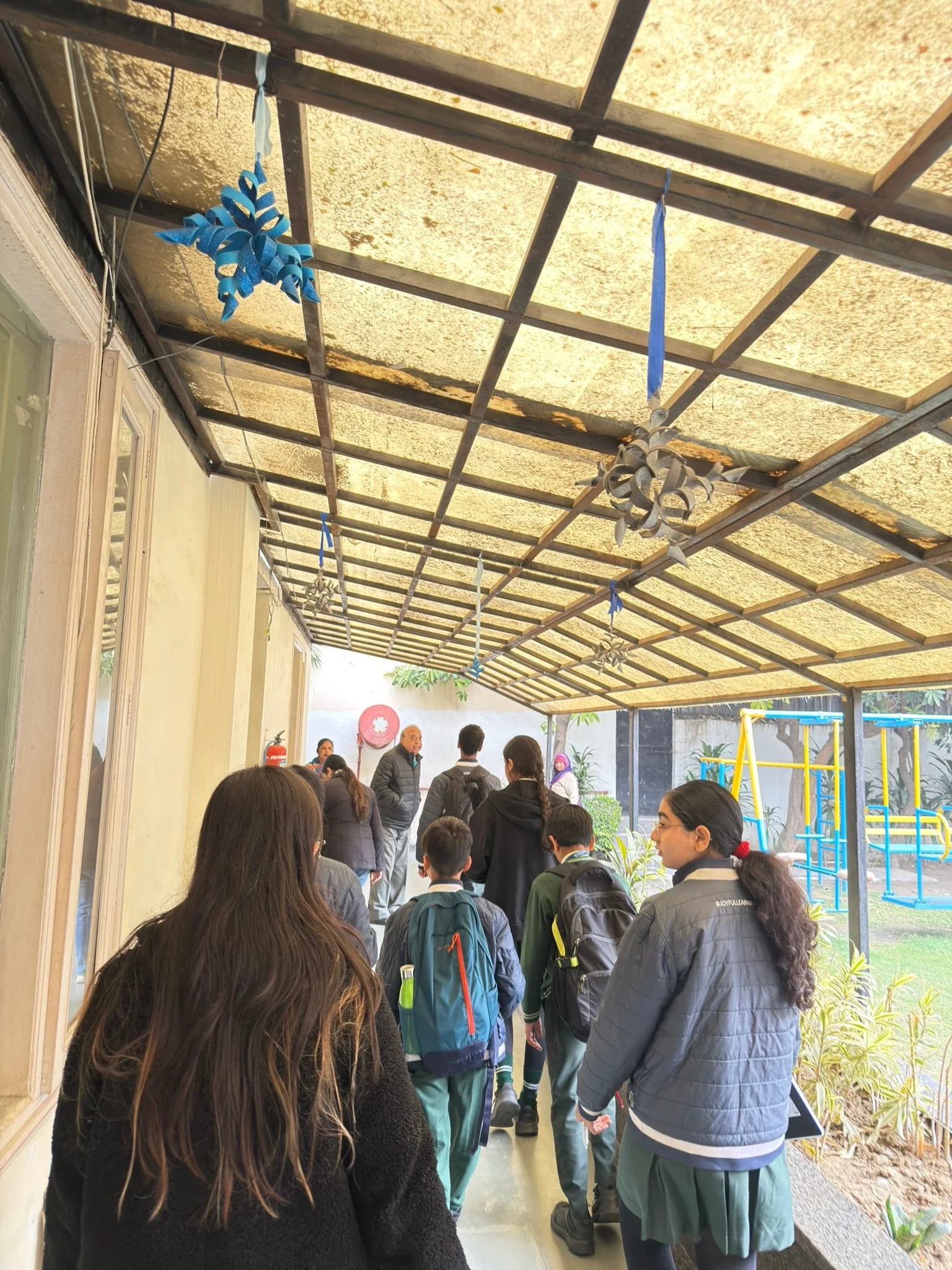
SDG 11 focuses on the cities need to integrate strategies focused on affordable and inclusive housing, participatory urban planning, heritage preservation and stronger local governance and industries play a big role in shaping the way a city manages it's environmental impact.
-
The textile history of Panipat goes back to the Mughal Era where Panipat was the very source of the clothes of Mughal dynasty. Panipat was one of the most cultural textile hub and even if it source of becoming the largest recycling hub in Asia it still maintains the essence of handmade products alongside the modern power looms
-
Panipat rather than being a city which creates industrial waste and uses new sources to create products instead it chose a new path of creating new products from old clothes as raw materials . This small district of Haryana changes 250 tonnes of water collected into the reusable products. This way the city's entire infrastructure has risen as an environmental hub.The production also involves the policy of zero liquid discharge in most of the industries where they remove harmful effluents from the water to reduce water pollution.
-
The real growth of the Panipat industries have been supported by its weavers which includes the working of locals with the migrants of UP,Bihar, West Bengal and other neighbouring state to cope up with demands of the handloom industry. This industry is inclusive and economically thriving.