

SDG8
Decent Work & Economic Growth

Accelerated action is needed to build more inclusive, productive and resilient labour markets, strengthen protections for informal and migrant workers and advance green and digital economy initiatives that promote decent work.
-
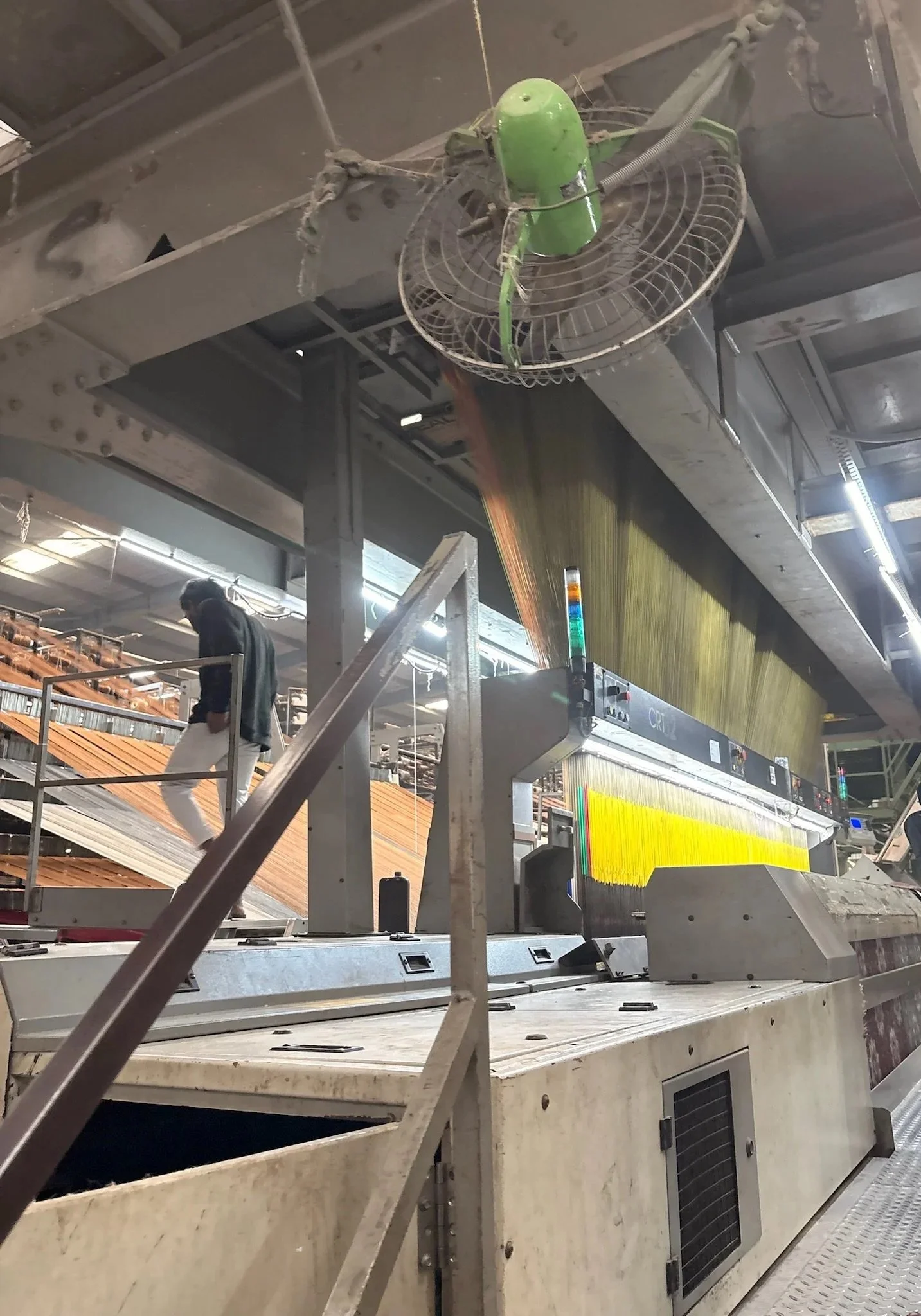
Panipat instead of focusing on making the textile products from new materials, it is innovating products from old and waste clothes as raw materials this did not only led to the increase in production but it also brought a big change in the upgrade of technology in using modern power looms while still maintaining the real essence of the traditional handloom. These technological upgrades and innovation in recycling products from old materials allows them to undertake massive amount of global waste.
-
Panipat did not only made the sustainable textile reach new heights from the district of haryana but also connected the local community and work to the global reach but delivered approximately 62% of India’s home furnishing products, including bed sheets, blankets, and other textile items, along with housing about 30,955 MSMEs with an annual production value of a whopping 950 crore.
-
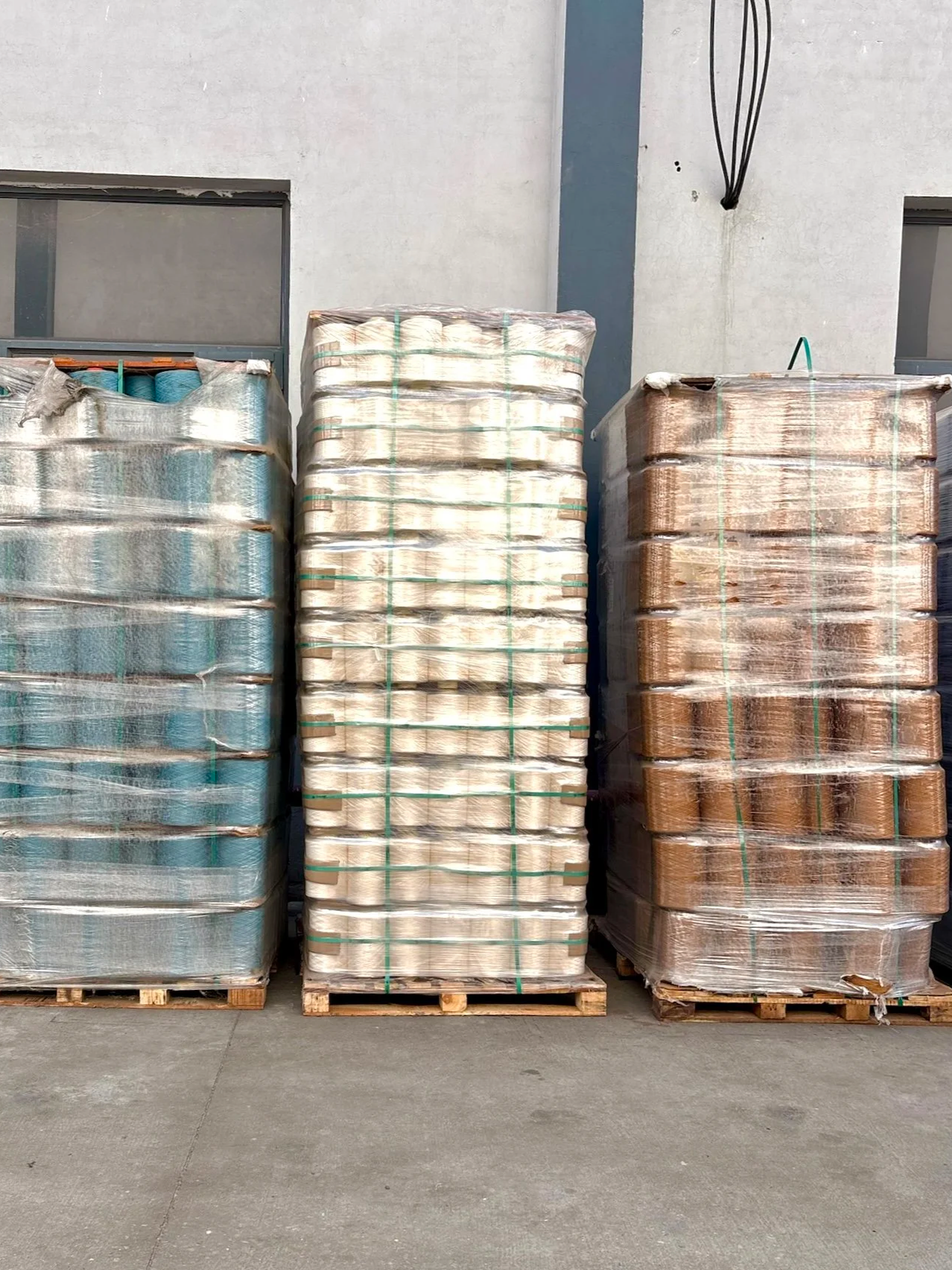
Instead of relying on the newly procured raw materials Panipat has created a closed loop system of producing clothes from old textile materials which will give a new life to the waste.Panipat efficiently works to dispose of 250 tonnes of textile waste every day and by using worn out textile materials from US and EU to make usable products it has prevented massive amount of waste ending up in the landfills.
Since this target pursues economic growth to continue without environmental degradation Panipat delivers up to 85% of its final products made from textile waste, yet still achieves an annual production value of a whopping 950 crore.
These environmental benefits of Panipat are not just restricted to India but these recycled materials are exported are to 50 more countries worldwide.
-
These recycling hubs are labour intensive as it gives living to more than 60,000 weavers in the industry. During the field visit women were seen as equal counterparts to the males whether in lower or higher hierarchy. Some of them were interested in the business and some had seen and taken inspiration to work with self learning the ways of the sustainable textile.
-
The industries of Panipat not only employs over 60,000 weavers but also sustains migrants from UP and West Bengal. Working together of the local communities and the migrants has helped in the economic growth of individuals and connecting this ro the world